
September is here, school has begun for many, and fall is… nowhere in sight? It turns out that when you live just south of the Ecuador, seasons start to get really weird. A new chapter of my life has begun and I’m so excited to share it with you here. My trail is journal is officially finished — if you’re not quite caught up or you want to go back and re-read something, I’ve created a table of contents for each section that you can access here. I’ve begun my time on mission with the Salesians in Ecuador and will continue to use this blog to share updates and reflections. The structure and frequency of posts will probabaly look a little different moving forwards: I’ll continue to share a monthly newsletter, accompanied throughout the month by a reflection or two (depending on how much free time I have to write). But for now, here’s a quick summary of what’s changed recently:
Where are you? Simiatug, Bolivar Providence, Simiatug.
What are you doing? Beginning my first month of service with the Salesians here in Ecuador, serving the indigenous peoples of the Andean Mountains.
Where have you been this month? I finished my time in New York, took a short road trip through New England, flew to Ecuador and spent a couple days near Cuenca until I received my placement and traveled to Simiatug.
What’s next? I’ll continue living with my community until summer of 2027, serving the youth and poor of the parish.
Quo Vadis?
I’ve known for a long time that I was going to Ecuador, but where I was going within Ecuador was a different question. In case you’re not familiar with the country, Ecuador is home to three very distinct climate zones: the low coastlands, the high Andean mountains (also called the Sierra), and the edge of the Amazon rainforest. The Salesians in Ecuador have a tradition of waiting until, quite literally, the last day of volunteer orientation to tell their missionaries which city they’ll be sent to. It could be in any one of those three distinct zones and, let me tell you, the things you need to pack for the Amazon are very different from the things you need for an Andean village. Precisely because of that, the directors of the program in Ecuador decided to give the foreigners a little extra help by telling us which of the three zones we would be sent to. Unfortunately, it still took a long time for that information to arrive, even through the beginning of our orientation in the United States. All the while, my mind was racing thinking about the places I could be sent. I felt like I was pretty open to where they could send me – that is, except the Amazon. I’m not sure why, but there was something about the Amazon that was different and unsettling from everything else I knew. The jungle was a place full of unknowns and, quite honestly, it was a place of fear. I prayed more than once that God would send me anywhere except the Amazon.
The day finally came, about a week before we were to depart, when we received the news from Ecuador. It was a very simple message, much simpler than I was expecting: all four of us would be traveling… to the Amazon. It was a gut punch. All of my fears and questions and doubts came rushing to the surface all at once – but thankfully, God had given me a little extra grace to handle the news. Just days before we received the message, I learned about the life of St. Maria Troncatti, the newest Salesian saint who was canonized last October. Maria was born in Italy but spent her life as a missionary in the Amazon jungle. Her example of leaving everything she knew and traveling into an unknown and potentially hostile environment gave me hope that life in the Amazon might just be possible. With the reality of my placement finally sealed, I turned deeply to Maria Troncatti and began to ask for her intercession, especially for the strength to follow her example. After our retreat ended, I drove up to New Hampshire partially to visit a new state but mostly to say goodbye to the mountains for a year or so, almost grieving in my own weird way. I eventually went back to Ohio and was driving to the store to buy the last few things I needed when I received an unexpected voice memo from Ecuador. Translated, it comes out to something like “Please be sure to tell Matthew to bring a winter coat, because he’s going to a place where it’s very, very cold.”
I’m not kidding when I say that I almost crashed my car out of sheer excitement.
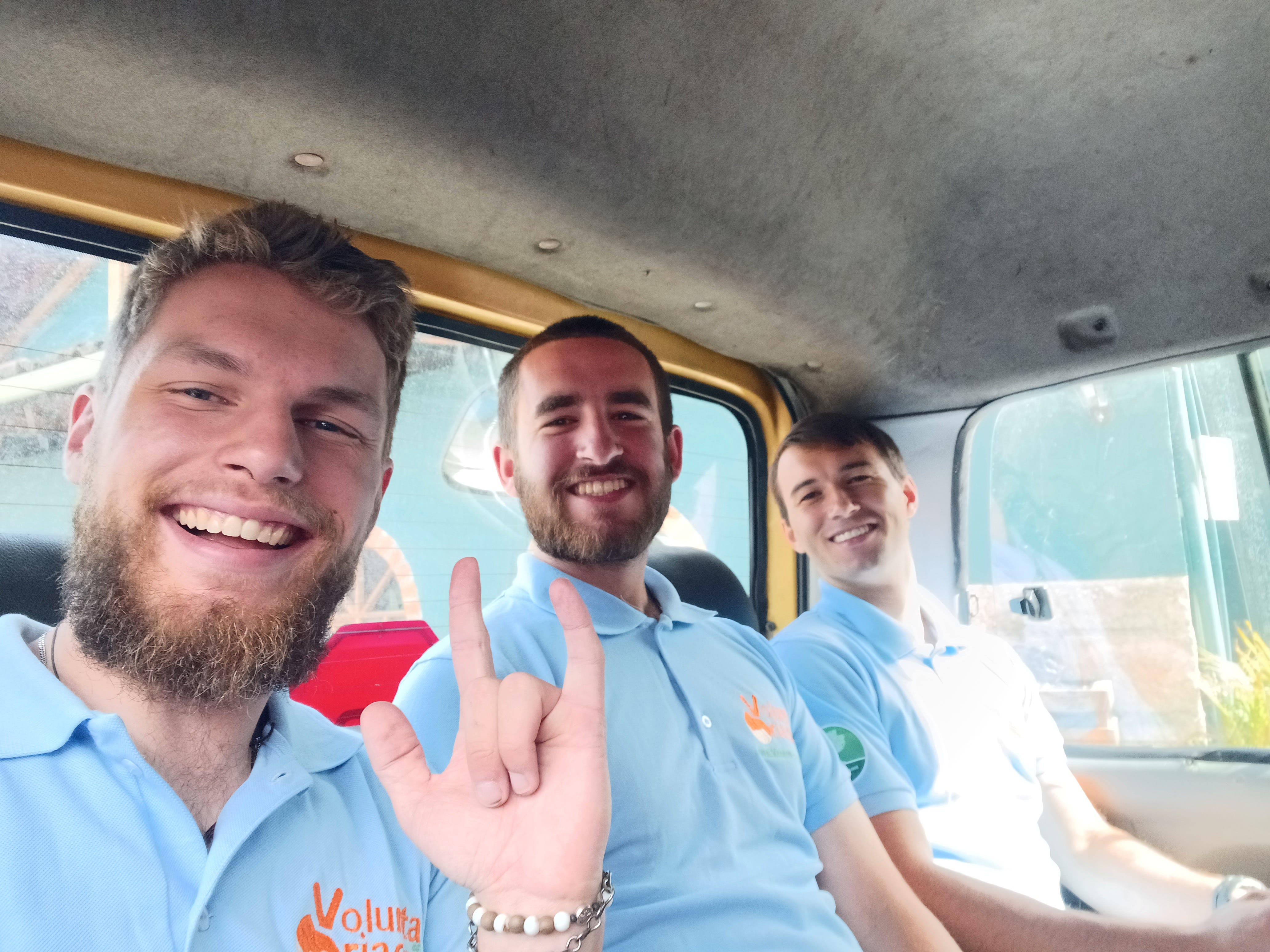
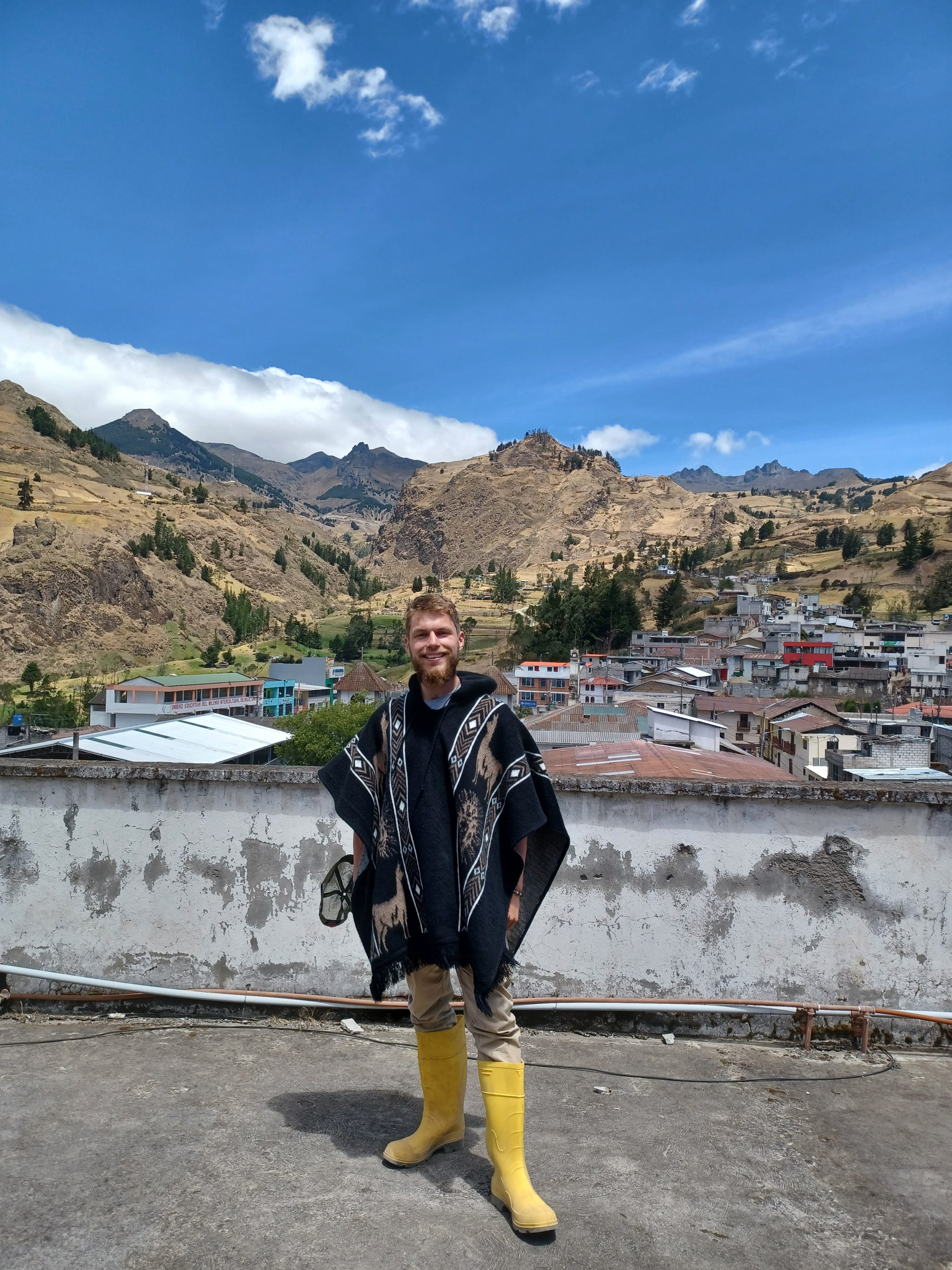
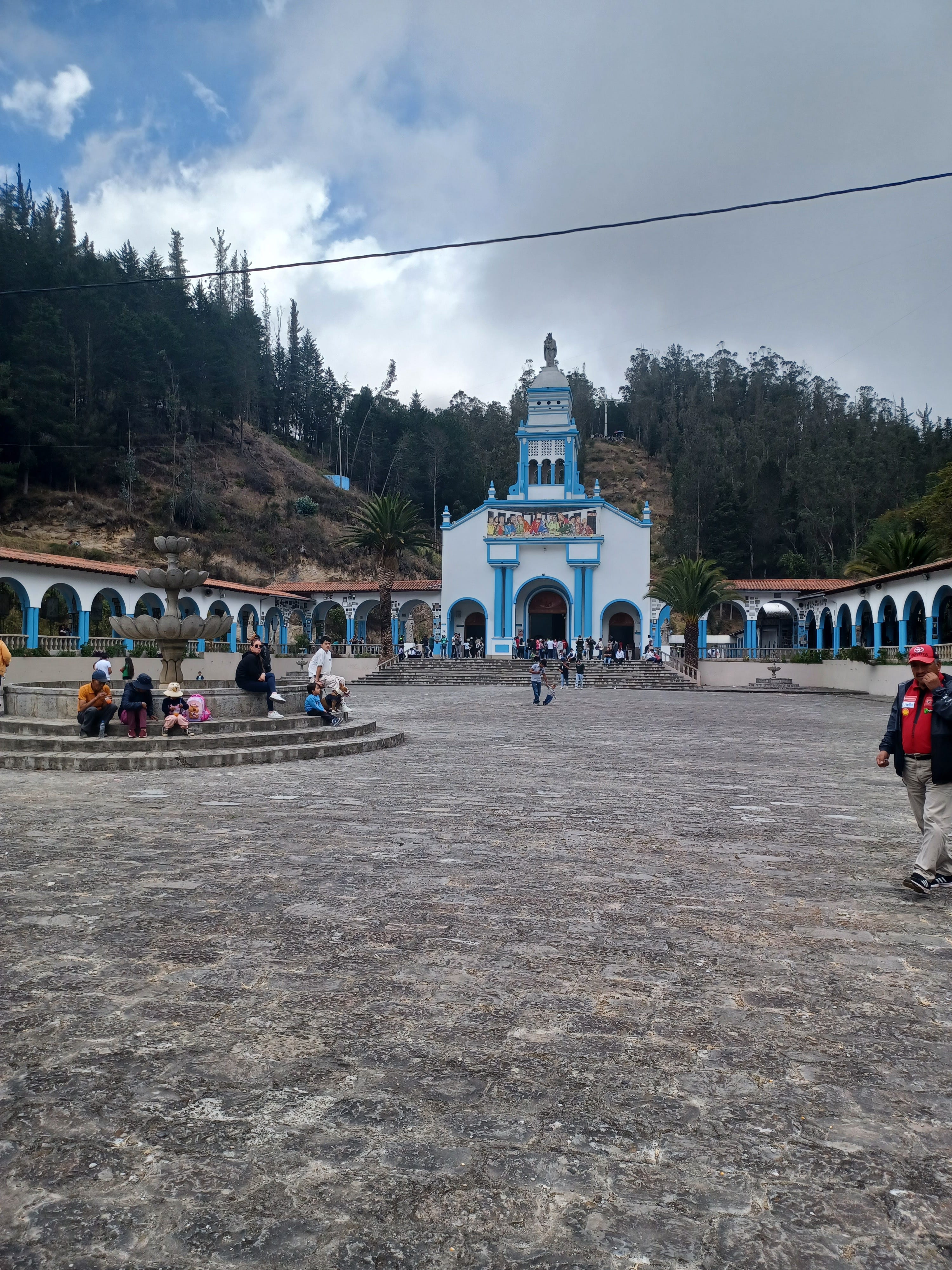
Here’s what I think happened – there were four men from the United States coming to Ecuador and one man from the Czech Republic. While looking at the list of placements, I think the Ecuadorian team got confused because there were four people with foreign names going to the Amazon and four people from the United States – it just so happens that one of the four people going to the Amazon was not, in fact, from the US. With the news in hand, I had just a few hours to grab what I could for the cold and pray that I could get the rest from my community. News seemed to come in bits and pieces: I would be working with indigenous communities that speak a language called Kichwa, there weren’t many stores in the town, I would be eating a lot of potatoes. In the end, I was sent to the community of Simiatug, sitting at a shocking ten thousand feet above sea level in the northern reaches of the Bolivar province. Simiatug is a large village, larger than I was expecting, and an interesting mixing pot between the indigenous culture of the area and the modern world. It’s not unusual to run into an Andean woman wearing the traditional wool poncho and sombrero passing by young school kids in bright uniforms and adults wearing every-day clothing with cell phones. Unlike many Salesian communities, our house is not directly associated with a school – instead, we are the administrators of the local parish while also serving the needs of 39 different indigenous communities scattered in the surrounding countryside.
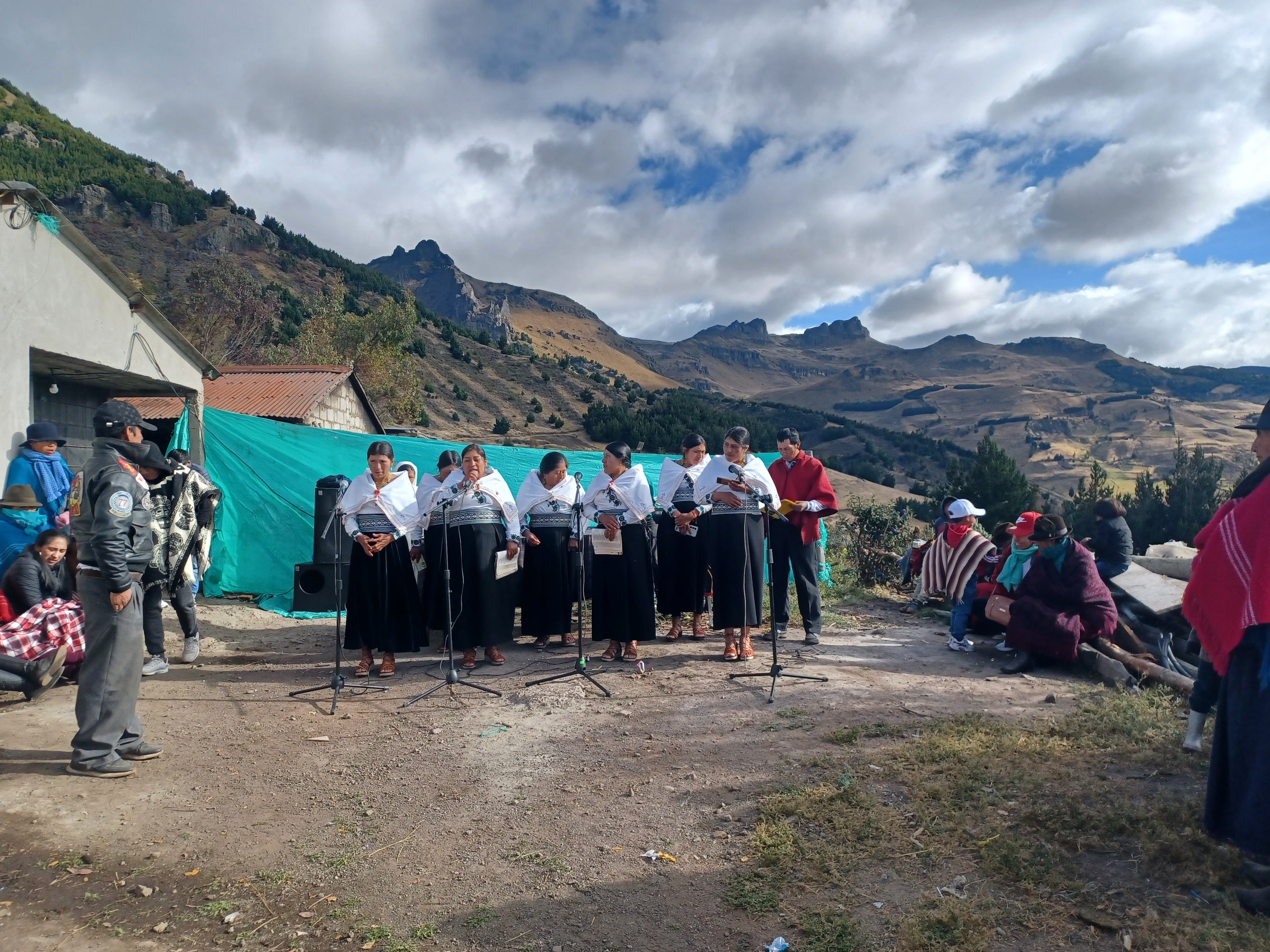
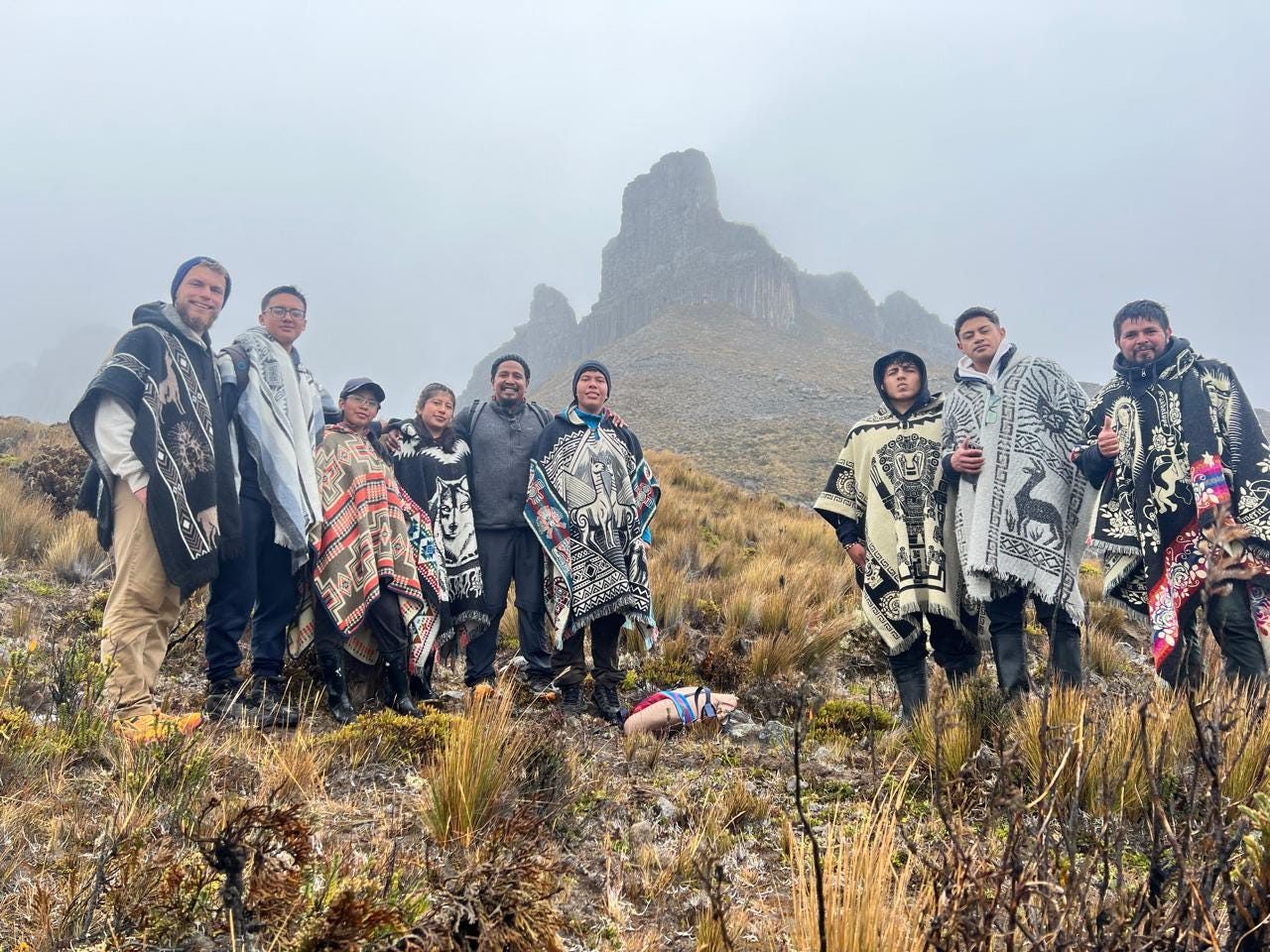
And let me tell you, the countryside is unlike everything I’ve ever seen before. Simiatug is situated at the top of a high valley between mountains that stretch well over 4,000 meters above sea level, their tops often lost in the clouds. Sometimes, dense fog from the valley will consume the entire village for hours at a time. The town is situated in a biome called the páramo, characterized by flora and fauna that are well adapted to its cold temperatures, high winds, and long droughts. Its desolation and staggering proportions are impossible to capture. It’s very common to pass herds of sheep, cattle, alpacas, and llamas as you’re walking through the gentle countryside outside the village. Rainbows are a common sight in the valley, where bright sunlight from the high altitude greets light afternoon mists. On one of our first nights in town, we walked about a mile outside the village to the edge of a mountain ridge looking out to the west. From there, we had an incredible view of the sunset dipping down into a sea of clouds thousands of feet below us. My goodbye to the mountains was a gift but utterly unnecessary – the Lord fulfilled my hopes in a way that I could never have imagined.


South American lessons:
Here are some things that I’ve picked up on during my time in Ecuador. I learned these lessons the hard way so that you don’t have to.
Public restrooms are typically NOT free and also charge extra for toilet paper. Most people travel with their own supply.
Prices are much lower for most items, but some stores will take advantage of tourists and charge prices similar to those in the United States if you look like a gringo.
The exception to this rule are pharmaceuticals, which cost way more in Ecuador – especially sunscreen.
If someone asks you ¿te has bañado? it’s not just a matter of curiosity. A hygiene standard in Ecuador is to shower every day, no matter what. The only reason they don’t shower more than once a day in Simiatug is because it’s typically so cold.
Canguil, or popcorn, is an Ecuadorian staple. It’s not only a common snack but also a traditional part of lunch. It’s not unusual to be served a first course of soup with canguil for the purpose of adding popcorn to your soup. Seriously.
Ecuadorians have a custom of sharing drinks out of a common glass during celebrations. If someone walks up to you with a large bottle of some refreshment and offers you a glass, I would suggest inspecting it carefully for signs of previous use. I learned this one the hard way.
No one, I repeat, no one parties like South Americans. If you’re getting on the dance floor, be ready for burning lungs and sore legs the next day.
Salesian knowledge: The Oratory
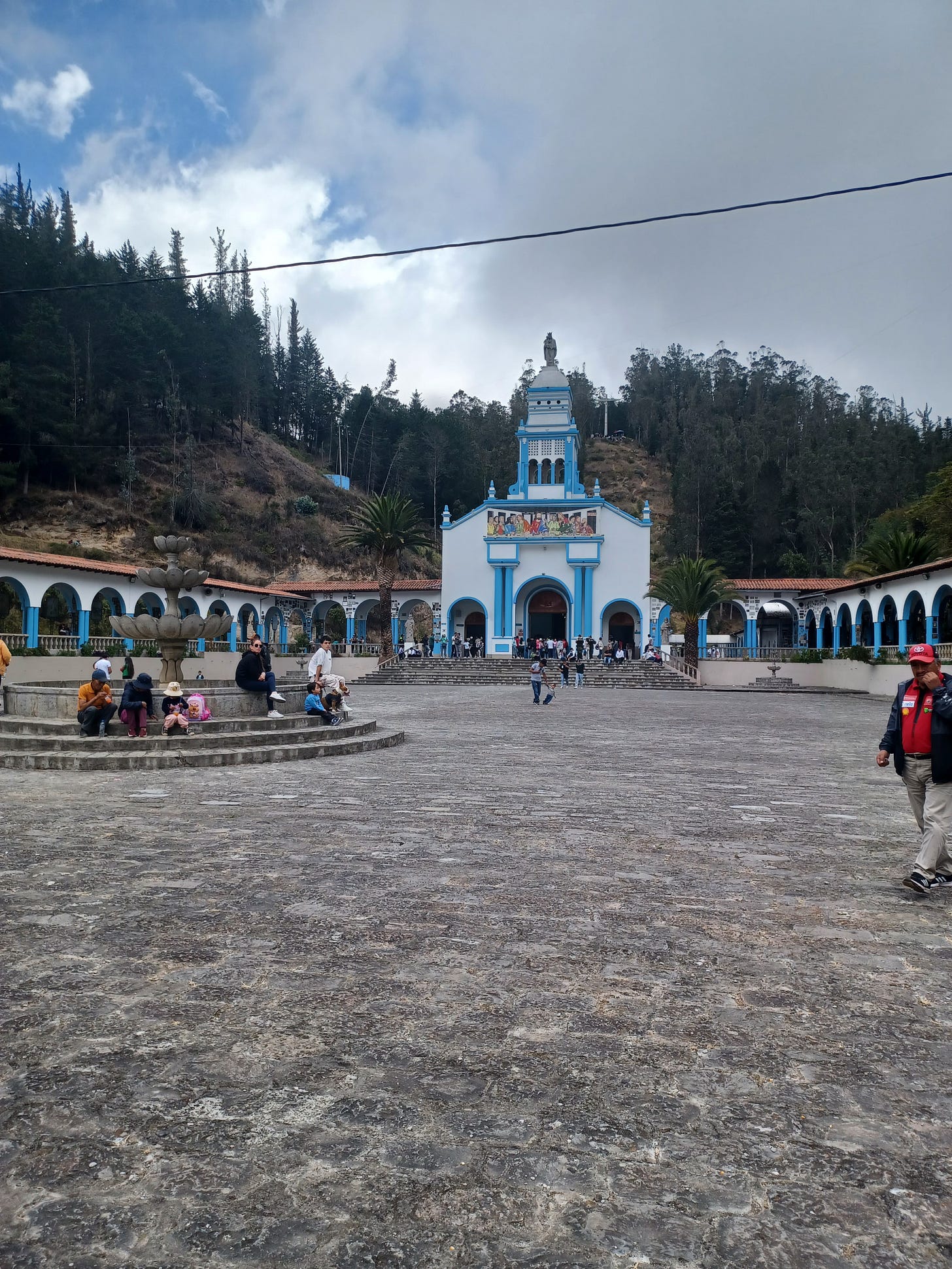
St. John Bosco is perhaps best known for his oratory, an idea that isn’t unique to him but has become a defining characteristic of the Salesian life. In the broadest sense, an oratory is simply a common place of prayer — a school of prayer. Don Bosco, upon seeing the youth of the city of Turin, was moved to give them a safe place to go and learn about the faith. He founded an oratory where children could come on feast days to celebrate together and receive catechism. The oratory is characterized by four distinct marks: home, school, church, and patio (playground). Don Bosco knew that children needed to feel safe, welcome, and at home in the oratory if they were to be open to receive Christ’s love. Having won the trust of the children, he was determined to catechize, or instruct in the faith, as many children as came to the oratory open to learn. Because his oratory sessions often took place on major feast days, a key part of the experience was the celebration of the Mass and ability to receive the Sacrament of Confession prior to the liturgy. Finally, Don Bosco knew that the children who came were longing for good fun, which was never lacking from his oratories. Songs, games, and laughter are a key part of the oratory experience. In the coming months, I will enter into the oratory experience as a catechist here in Simiatug, preserving those four marks of home, school, church, and playground for all who come through our doors.
Prayer intentions:
For David, Luben, Cristian, Misael, and myself as we begin our experience as missionaries together in Simiatug and the surrounding communities.
For the parishioners of St. Francis Javier parish in Simiatug and the Catholics living in the surrounding communities, that there material and spiritual needs would be met.
For the Bolivar province and the community of Simiatug, that there would be relief from the drought and challenges in obtaining water facing the area.
For the gift of patience as I work through the culture and language differences during this season of intense transition.
Thank you so much for journeying with me this far. I’m so excited for what is to come and what else God has in store for this year. Please keep me in your prayers as this beautiful mission begins to unfold here in Ecuador. Until next month!
I will be praying for you!
Dude… super sick! That place looks incredible. Best of luck on your year of mission. May the Lord work through your hands and heart! I’ll look forward to reading the newsletter. Peace & blessings